

The Performance Wasn't the Point. The Conditions Were.
Rachel Wyley, Founder + Ceo of Culture Kinesis
Photography by Ramon Leon
What This Is Not A Performance revealed about community, creative practice, and what becomes possible when we stop forcing connection.
What happens when we stop trying to make something happen—and create the conditions for it to emerge?
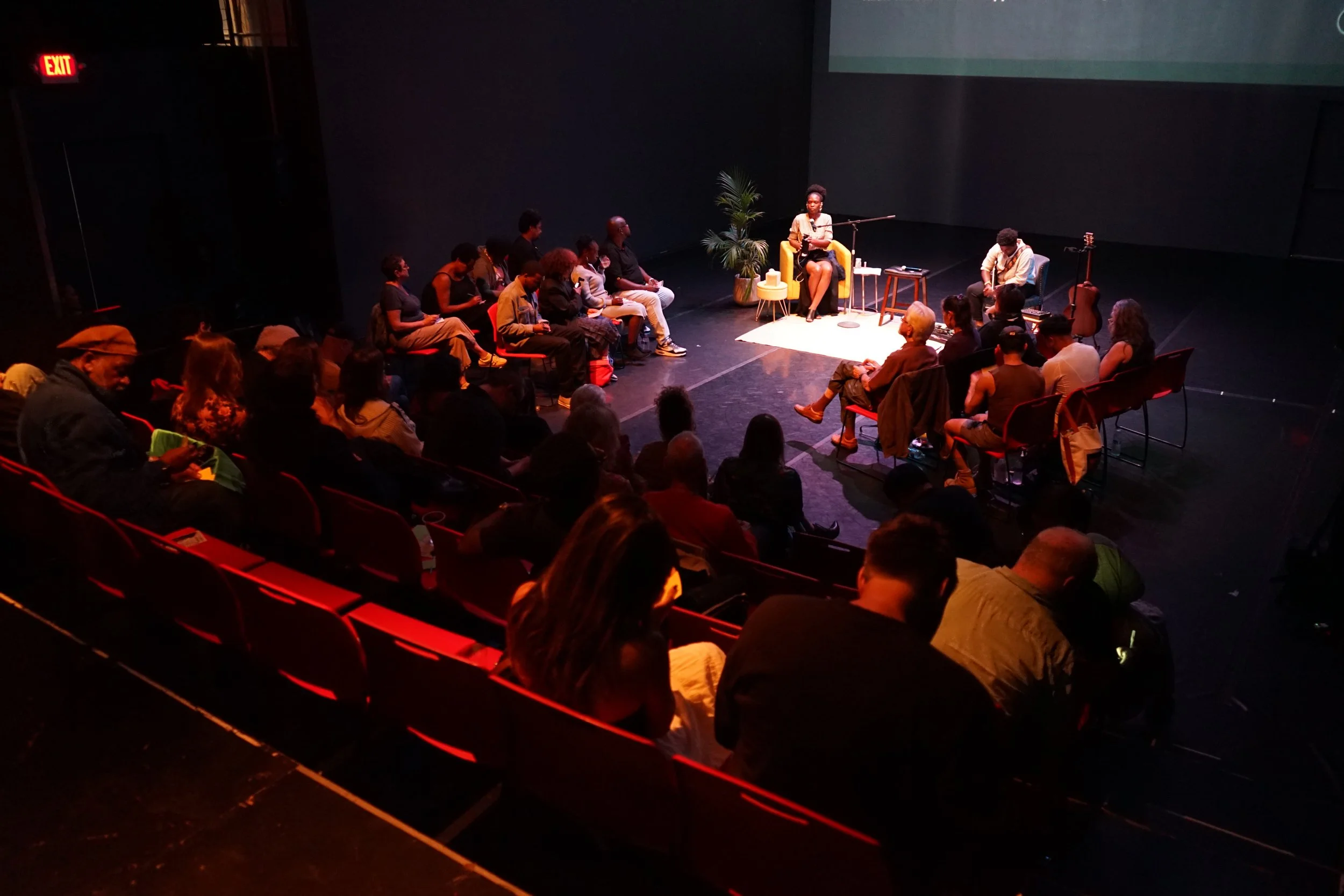
At This Is Not A Performance in San Francisco on August 8, I watched a room of people move through silence, uncertainty, vulnerability, and unexpected connection. People shared songs, interpreted questions in ways I couldn't have imagined, and entered into conversations that continued long after the moment had passed.
I left with a clearer understanding of something fundamental to both TINAP and my work with Culture Kinesis:
The conditions we create shape what becomes possible between us.
The seeds of community are already present. But what allows them to germinate?
When someone says yes, the room changes
One of my favorite moments happened when someone mistakenly handed a participant the microphone. He hadn't raised his hand. He could have passed it along. Instead, he offered a song to the community, and it felt like time stopped.
I've been thinking about that moment, not simply because it was unexpected, but because of what happened next. Across the room, people began to open up. Once one person accepted the invitation, another could imagine accepting it, too. Then another.
Collective courage became visible through participation.
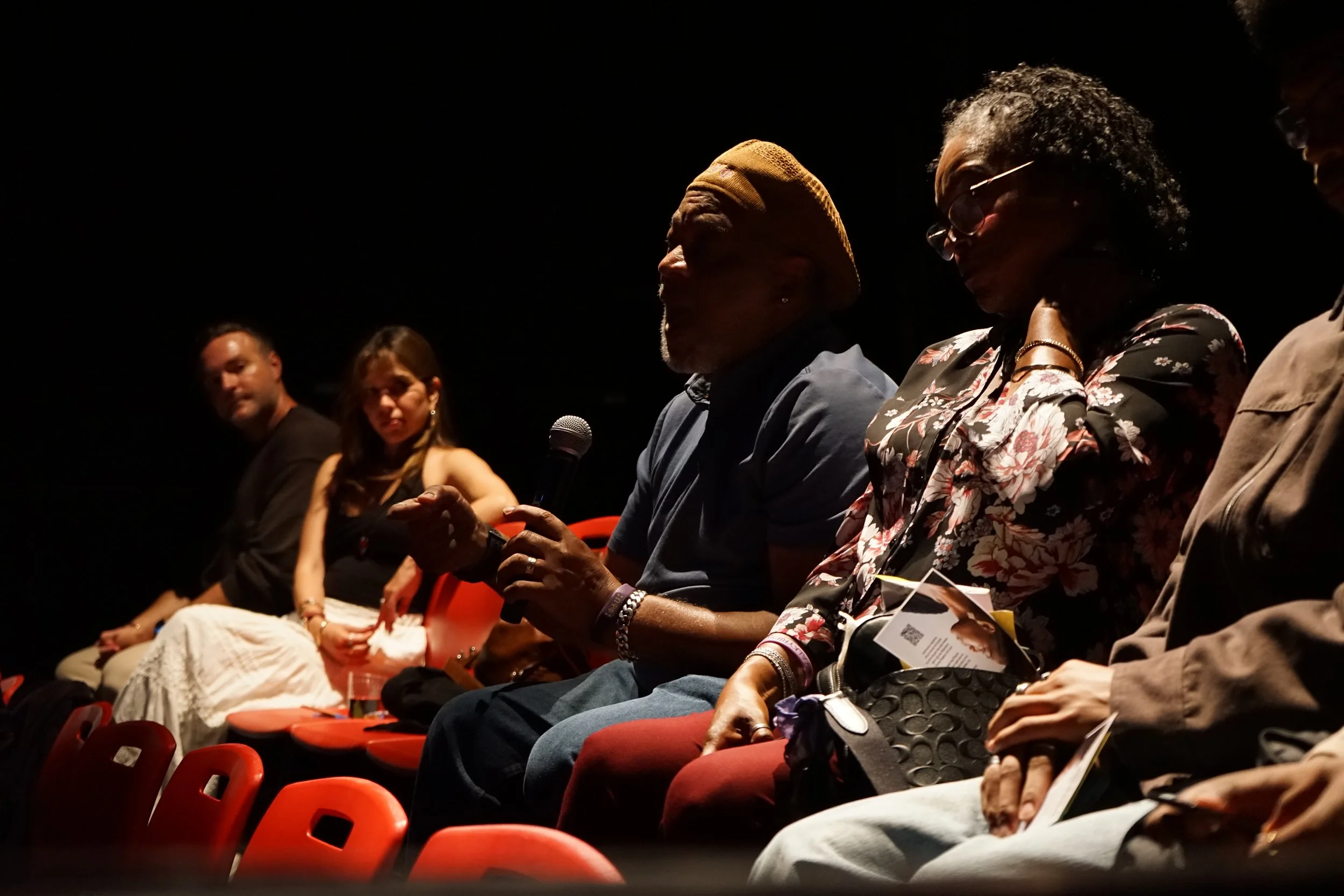
Courage didn't always look like speaking. Some people who remained quiet during the open conversation sought out others during intermission. They continued the exchange on the margins, finding their own way into the experience. This reminded me that participation isn't one-size-fits-all. We cannot assume that the person who speaks first is the most engaged, or that silence means nothing is happening.
Sometimes, people need a different invitation. Sometimes, they need more space.
What would change if we stopped measuring participation by how visibly people perform it?
The silence was part of the work
I want to share something that might surprise you: I was uncomfortable during the silences, too.
As the facilitator, I had to practice staying present rather than rushing to fill the space. I made eye contact with people across the room, stretching my own capacity to remain with the uncertainty. Over time, I watched people settle into the pauses. Faces softened. Bodies relaxed. The space began to feel different.
We weren't simply waiting for the performance to resume. We were learning how to be with one another without needing to produce something immediately. That experience challenged me, too.
How often do we interrupt a moment of uncertainty because we feel responsible for resolving it? How often do we mistake an unfinished conversation for a failed one?
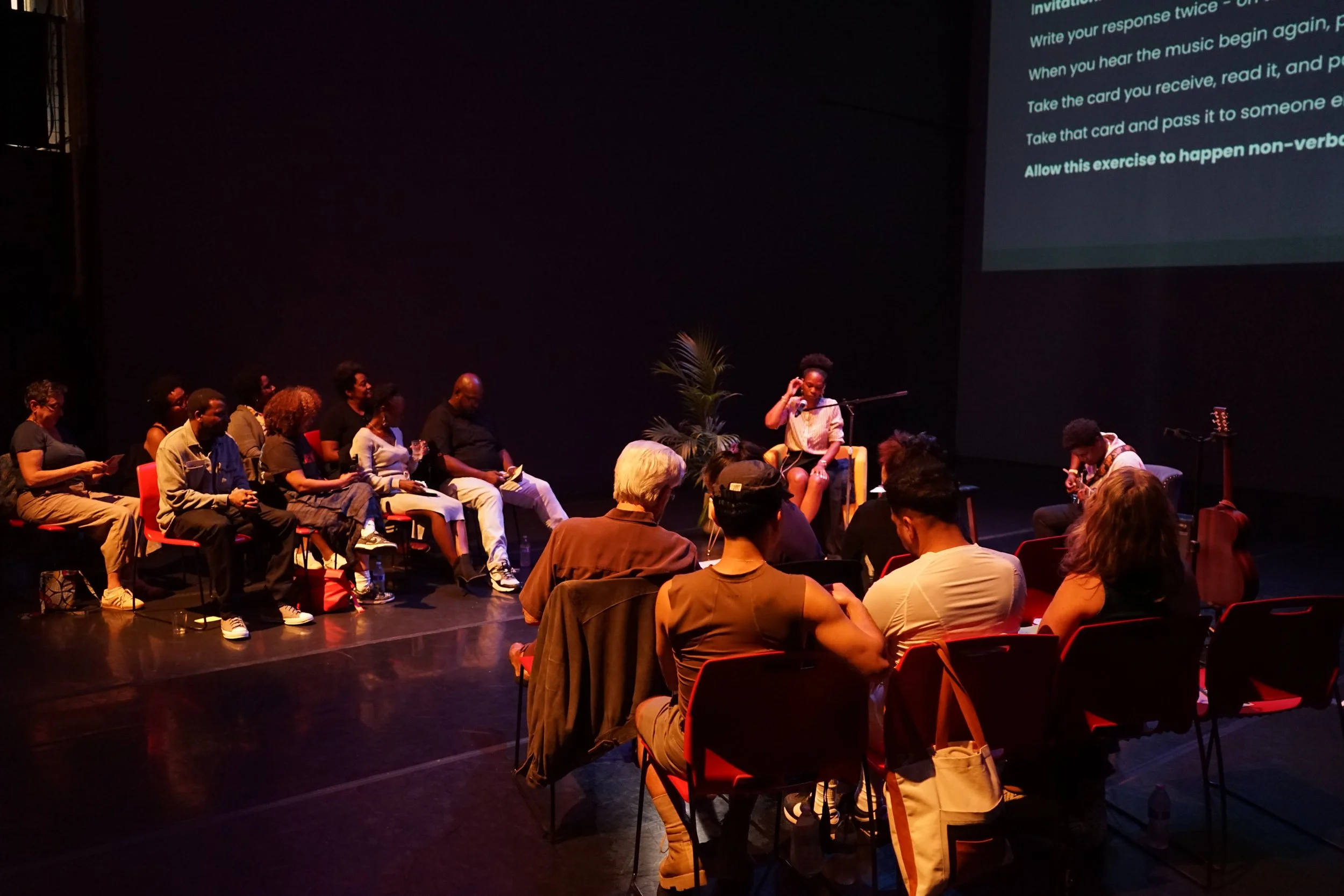
At TINAP, conversations about racial experience, joy, pain, and the sacredness of silence surfaced. Some began unexpectedly. Some had never been spoken aloud before. Many remained unresolved when we left, and people could still feel complete.
The end of a conversation didn't have to be a conclusion. It could be an opening.
I want to carry that understanding into the spaces I facilitate and the relationships I inhabit.
What if culture change begins with the conditions?
This is where the experience connects to my work with Culture Kinesis.
Organizations often respond to recurring cultural problems by addressing individual behaviors, introducing new initiatives, or asking people to communicate differently. Those interventions can matter. But if the underlying conditions remain unchanged, the same patterns will continue to emerge.
What if the question isn't only, What needs to change?
What if we also ask, What conditions would make that change possible?
At TINAP, we didn't create connection by telling people to be vulnerable. We created a space where vulnerability could become possible through music, silence, improvisation, invitation, and the willingness to witness one another.
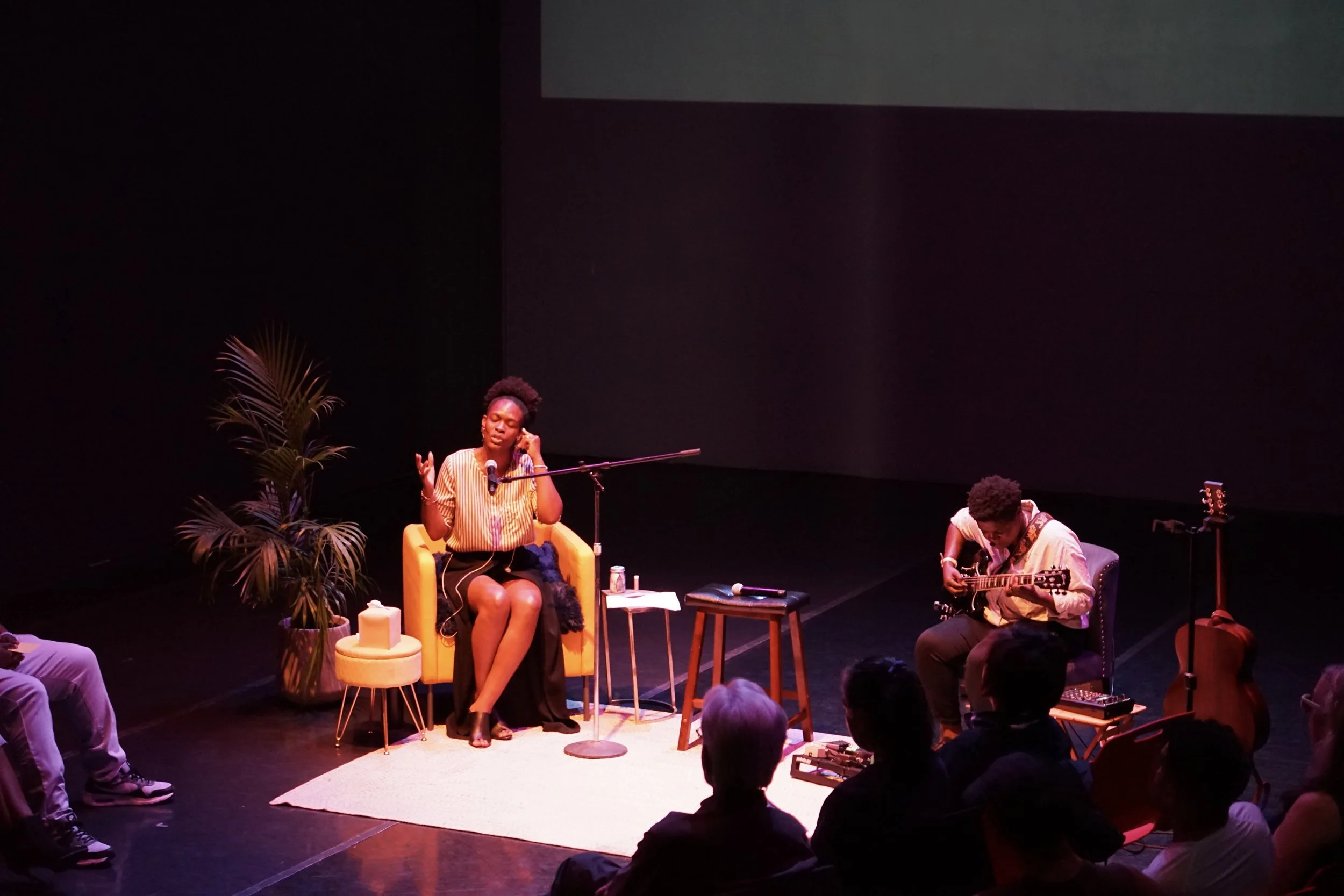
I didn't deliver a poem I sometimes use to invite deeper emotion because the community had already arrived at that depth. The opening music was improvised. The experience kept changing in response to what people brought into it.
We weren't following a fixed script for connection. We were responding to what was emerging.
That distinction matters.
Cultural transformation requires more than naming the behaviors we want to see. It asks us to examine the relationships, practices, structures, and conditions shaping how people actually experience a culture. Sometimes, that work begins with a different kind of conversation. Sometimes, it begins with art. Sometimes, it begins by allowing silence to remain silence.
The point isn't to reproduce TINAP in every workplace. It's to recognize what creative practice can teach us about creating conditions for people to think, relate, and participate differently.
The practice continues beyond the room
I left the gathering feeling proud of everyone who had been there. The work had been meaningful, but it had also felt surprisingly easy. Not because it required nothing of us. It required courage, honesty, attention, and a willingness to sit with discomfort.
But we were not carrying the experience alone.
That is what stays with me: the possibility that when we create the right conditions, people can participate in making something none of us could have produced individually.
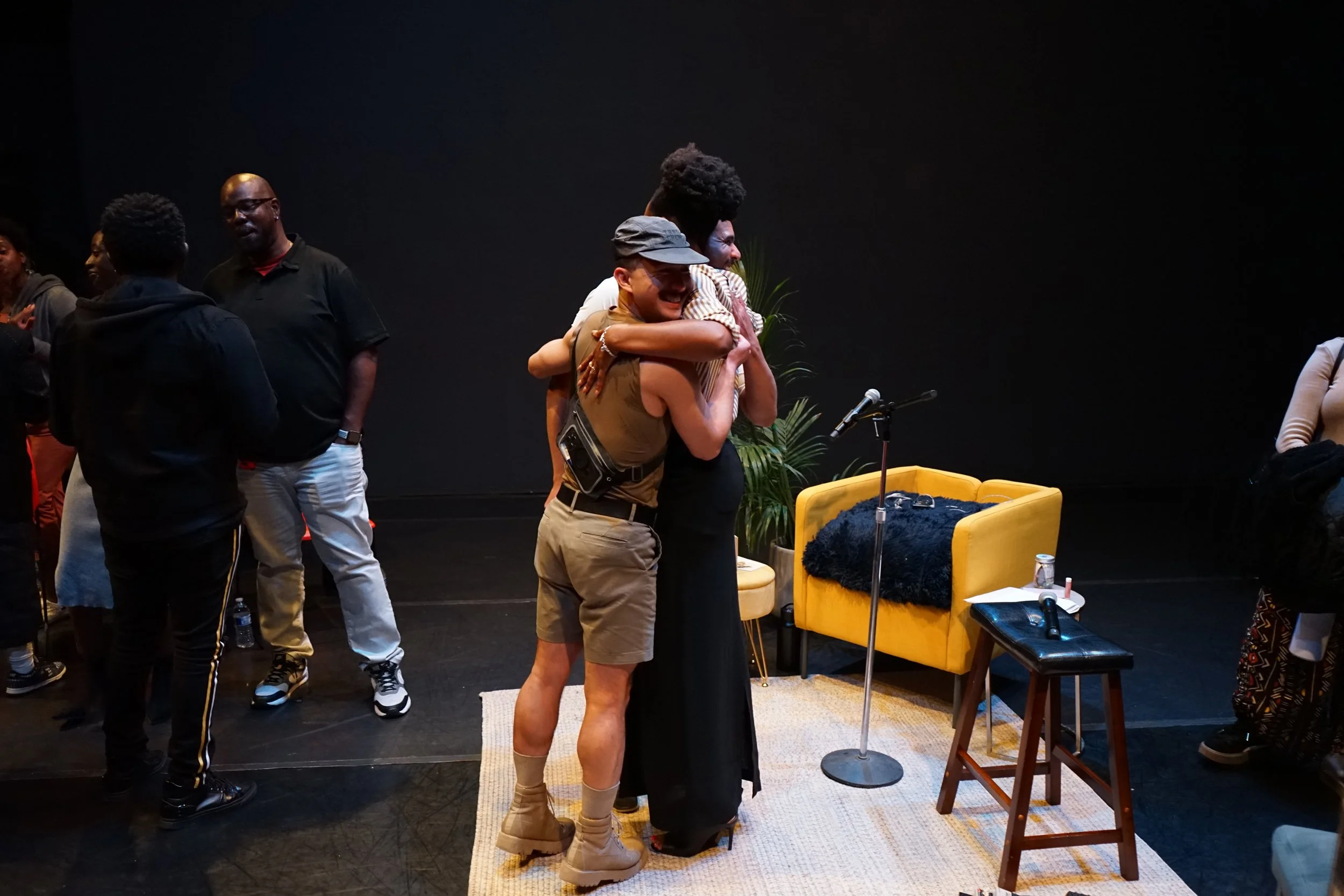
TINAP is an evolving artistic and cultural practice. Music, performance, silence, conversation, and participation are not simply elements of a show. They are ways of exploring what becomes possible when people create an experience together, and the experience doesn't have to end when we leave the room. We can carry its questions into our relationships, our leadership, our workplaces, and our communities.
Through Culture Kinesis, I continue exploring how those questions can inform the cultures we create and how we might change the conditions that shape our collective experience.
The performance was an invitation. The practice continues.
What are you still carrying?
I want to leave you with a question. Not one I have an answer to, but one I am continuing to explore. Think about a space where you've experienced genuine connection, honesty, or a sense of possibility.
What made that experience possible?
Was it the people? The invitation? The permission to be uncertain or unsure? The time and space to speak or not speak? Something you couldn't have planned?
In the spaces you help shape today, what conditions are you creating for others?
I'd love to hear what comes up for you. Share a reflection in the comments if this is a question you're exploring in your own work. Sometimes, the most meaningful next step isn't to find an immediate solution. It's to pay closer attention to what made something possible in the first place.
— Rachel Wyley, Founder + Ceo of Culture Kinesis
This Is Not A Performance creates spaces for collective reflection, connection, and reimagination through artistic and participatory practice. https://www.thisisnotaperformance.com/
Culture Kinesis works with leaders and organizations to examine the patterns, relationships, and conditions shaping their culture—and explore what becomes possible when those conditions change. https://culturekinesis.com/
Different pathways. Shared questions. An ongoing practice.
Photography by Ramon Leon